Air board rejects public demands for transparency from Bogh
Senator Rosilicie Ochoa Bogh recently voiced concern over the California Air Resources Board’s continued lack of response to her letter and the public outrage of Californians demanding basic information on how the board’s proposed new fees might affect gas prices.
 Senator Rosilicie Ochoa Bogh.
“It’s absolutely irresponsible and unacceptable that this board has chosen to ignore how its policies will impact gas prices, especially when Californians are already facing a skyrocketing cost of living,” said Bogh. “CARB’s refusal to acknowledge how this will hit consumers’ wallets is deeply disappointing.”
Last week Ochoa Bogh and Assemblymember Greg Wallis spearheaded an effort asking CARB to disclose how much the proposed changes to the Low Carbon Fuel Standard program regulations would increase prices for gasoline at the pump. The proposals are set for a vote on Nov. 8. The letter, signed by 25 Republican legislators, also called on CARB to postpone the vote until the fiscal impacts are provided to the public. The board has offered no formal response to the letter.
 Assemblyman Greg Wallis.
“The air board is not a separate branch of government and they should stop operating as such,” said Wallis. “There needs to be accountability and transparency here and so far we’ve seen neither. Their refusal to release new estimates tells me they know this regulation will be devastating for Californians and they’re hiding the truth.”
The initial estimates provided by CARB outlined a per gallon increase of 52 cents by 2026. Those figures were later walked back by CARB, which claimed they were not official calculations, and new estimates have not been released despite repeated calls from legislators and the public. Independent analysis has estimated those gas price increases at as much as $1.50 per gallon.
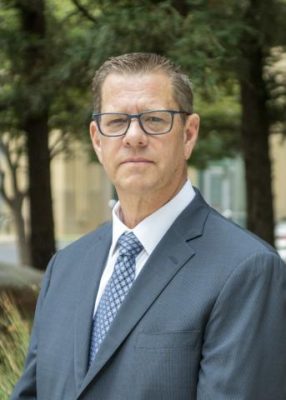 CARB Chair Steven Cliff.
Two weeks ago, CARB’s chief Steven Cliff told the Los Angeles Times the agency would not be analyzing gas price impacts of its policy anew, looking instead at economic growth, job creation and public health.
“CARB’s pivot from our question — How much will gas prices increase? — to talking points about public health and job creation is nothing but redirection at exactly the time Californians need honesty and clarity,” said Bogh. “Here are the facts: CARB’s LCFS amendments will increase fuel costs for drivers and consumer prices generally, affecting the most vulnerable in our state. It’s time for CARB to be honest with Californians about the true costs of their proposed amendments.”
Instead of providing requested data on the price increases these new regulations may cause, CARB issued a “factsheet” about the LCFS program in general which addresses none of the raised concerns. The document acknowledges that current LCFS regulations add 10 cents per gallon to the price of gas while at the same time claiming that there is “no relationship” between LCFS and gas prices. It contained no information about the potential impacts of the pending update to the program.